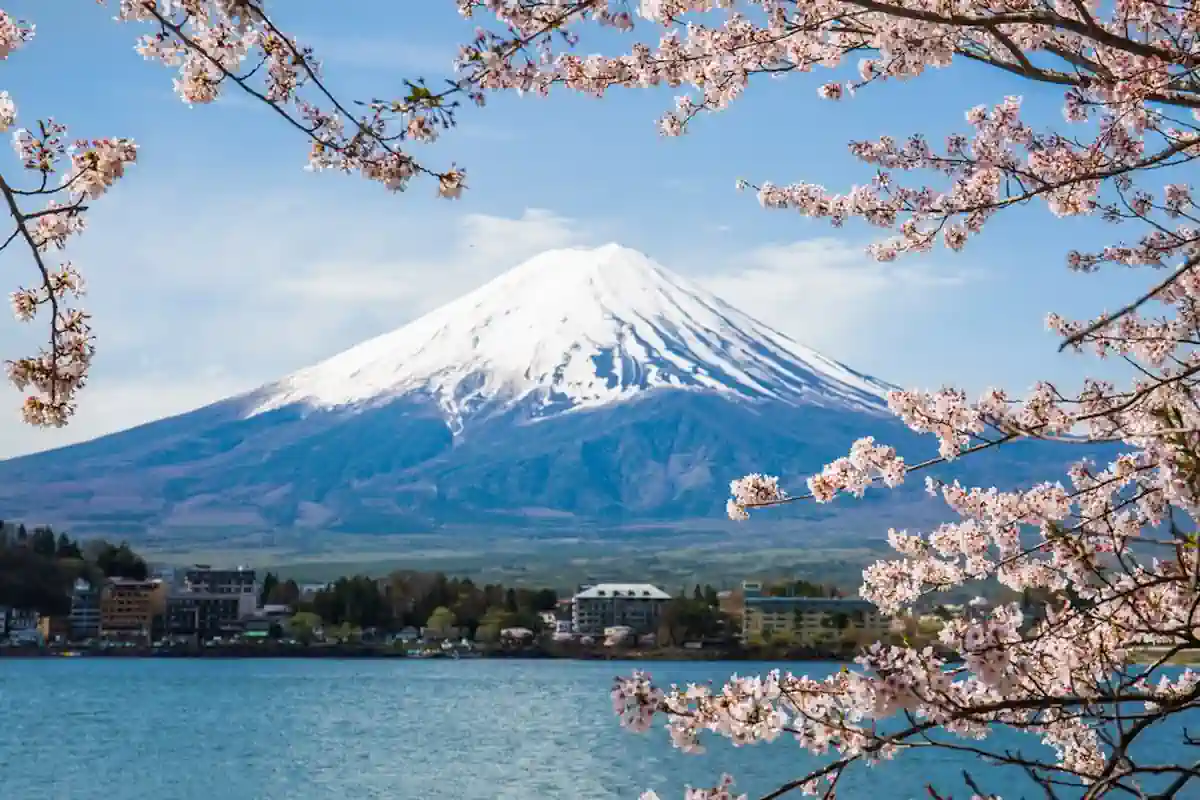
Mount Fuji, Japan’s iconic symbol, captivates millions with its majestic beauty. This stratovolcano stands tall at 3,776 meters (12,388 feet).
Its perfect cone shape has inspired artists for centuries. The mountain’s allure goes beyond aesthetics.
Mount Fuji holds deep cultural and spiritual significance for the Japanese people. It’s a UNESCO World Heritage Site.
Visitors flock to witness its grandeur year-round. Each season offers a unique perspective on this natural wonder.
The Geological Marvel of Mount Fuji
Mount Fuji’s formation is a testament to Earth’s dynamic forces. It’s a stratovolcano, built up over millennia.
Layers of hardened lava, tephra, pumice, and volcanic ash form its structure. This composition gives Fuji its distinctive shape.
The mountain sits at a unique geological junction. Three tectonic plates meet beneath it.
This location contributes to Mount Fuji’s volcanic nature. It’s classified as active, despite being dormant for centuries.
A Living Ecosystem
Mount Fuji isn’t just rock and snow. It’s home to a diverse ecosystem.The mountain’s slopes host various plant and animal species. These change with altitude, creating distinct zones of life.
Forests blanket the lower slopes. Alpine plants thrive near the summit.
This biodiversity makes Mount Fuji a natural laboratory. Scientists study its unique environmental conditions.
Cultural Icon and Spiritual Beacon
Mount Fuji’s significance extends far beyond its physical presence. It’s deeply woven into Japan’s cultural fabric.
The mountain has been revered since ancient times. The Ainu people first worshipped it in the 7th century.
It later became a significant pilgrimage site. Devotees would climb its slopes seeking spiritual enlightenment.
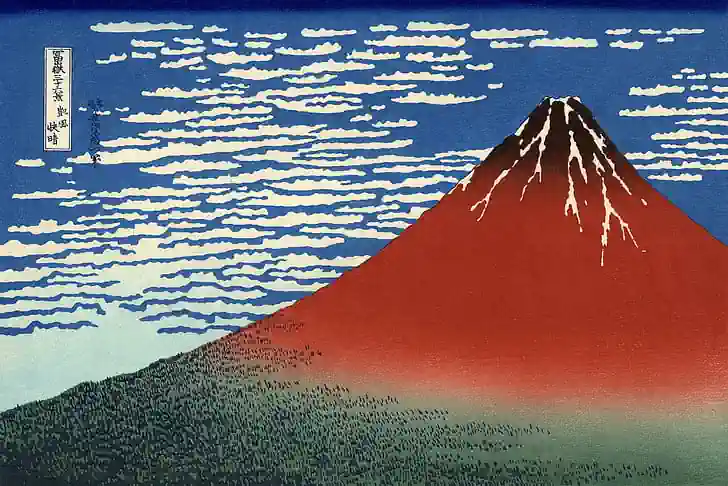
Artists have long been captivated by Fuji’s beauty. It features prominently in traditional Japanese art and literature.
Inspiring Creativity
Mount Fuji’s perfect form has inspired countless works of art. Hokusai’s “Thirty-six Views of Mount Fuji” is world-renowned.
The mountain continues to inspire modern artists and photographers. Its changing moods offer endless creative possibilities.
Fuji’s cultural impact extends to literature and poetry. It symbolizes beauty, tranquility, and the ephemeral nature of life.
This cultural significance led to its UNESCO recognition. It’s celebrated as a cultural, not just natural, site.
Experiencing Mount Fuji
Visitors have numerous ways to experience Mount Fuji’s beauty. Climbing the mountain is a popular challenge.
The official climbing season runs from early July to early September. The Yoshida Trail is the most frequented route.
But climbing isn’t the only way to appreciate Fuji. The surrounding area offers diverse activities.
Beyond the Summit
The Fuji Five Lakes area is a haven for nature lovers. It offers stunning views of the mountain.
Visitors can enjoy boating, fishing, and hiking. Lake Yamanaka is particularly popular for water activities.
For a unique perspective, try the Hakone Ropeway. It offers breathtaking aerial views of Fuji.
Cultural experiences abound near the mountain. The Chureito Pagoda provides iconic views, especially during cherry blossom season.
Capturing Fuji’s Beauty
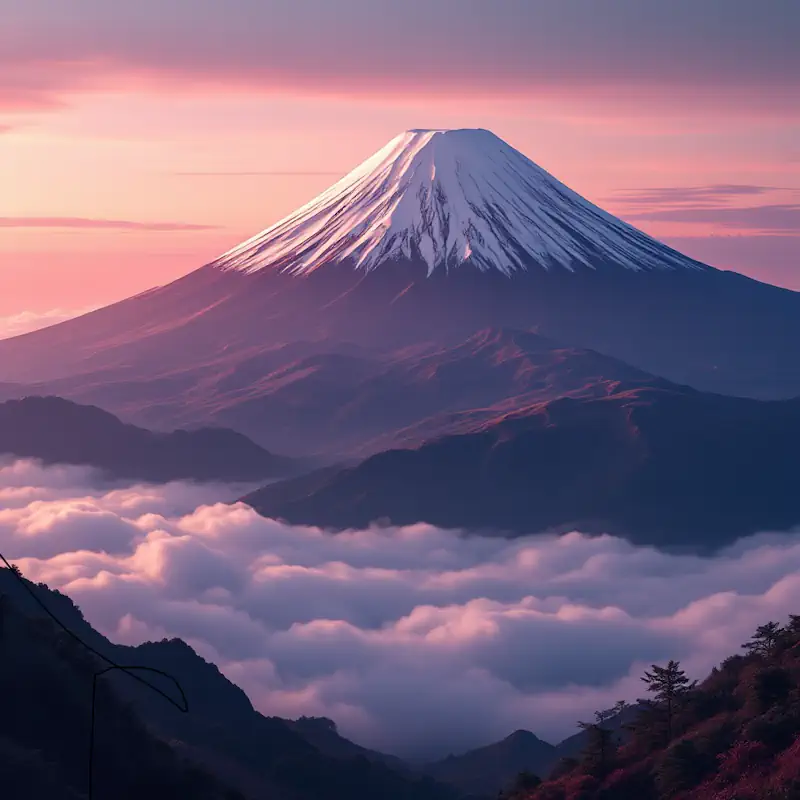
Photographers flock to Mount Fuji for its photogenic qualities. The mountain’s beauty changes with the seasons.
Winter offers the clearest views. The air is crisp, and skies are often cloudless.
Spring brings cherry blossoms, framing Fuji in pink. Autumn paints the landscape in vibrant reds and golds.
Photography Tips
Timing is crucial when photographing Mount Fuji. The golden hours just after sunrise and before sunset are ideal.
Consider using a wide-angle lens for sweeping landscapes. A telephoto lens can capture distant details.
Don’t forget to include foreground elements. They add depth and context to your images.
Patience is key. Weather conditions can change rapidly around Fuji. Wait for the perfect moment.
Planning Your Visit
The best time to visit Mount Fuji depends on your goals. Each season offers unique experiences.
Winter (November to February) provides the clearest views. The air is cold and skies are often cloudless.
Summer (July to early September) is ideal for climbing. The trails are open and facilities are available.
Spring and autumn offer scenic beauty. Cherry blossoms or fall foliage complement Fuji’s majesty.
Viewing Locations
Lake Kawaguchiko offers stunning reflections of Fuji. It’s beautiful year-round, especially in spring and autumn.
The Chureito Pagoda provides a classic view. It combines traditional architecture with Fuji’s natural beauty.
For a modern contrast, try viewing Fuji from Tokyo. The mountain is visible on clear days, juxtaposed against the cityscape.
Mount Fuji’s allure is timeless. It continues to captivate visitors from around the world.
Its geological significance, cultural importance, and natural beauty make it a truly unique destination. Whether viewed from afar or climbed, Mount Fuji leaves an indelible impression.