Imagine a world where ancient traditions dance with modern life. Where the air buzzes with excitement and the streets burst with color. This is the world of matsuri, Japan’s enchanting festivals that captivate hearts and minds. These vibrant celebrations are more than just parties. They’re living, breathing expressions of Japanese culture, spirituality, and community spirit.
Matsuri weave together threads of history, religion, and joy. They create a tapestry of experiences that delight locals and visitors alike. From bustling Tokyo to serene mountain villages, matsuri paint the calendar with unforgettable moments. They offer a unique window into the soul of Japan, inviting all to join in the magic.
But what exactly makes matsuri so special? Why do these festivals continue to thrive in our fast-paced, digital world? Let’s embark on a journey to uncover the heart of matsuri. We’ll explore their rich history, diverse traditions, and enduring impact on Japanese society.
The Essence of Matsuri: More Than Meets the Eye
At first glance, matsuri might seem like simple street parties. But dig a little deeper, and you’ll find a world of meaning and tradition. The word “matsuri” itself comes from the verb “matsuru,” which means to worship or honor the kami (Shinto deities). This connection to the divine is at the core of every matsuri.
These festivals serve as bridges between worlds. They connect:
- The earthly and the spiritual
- The past and the present
- Individuals and their community
Matsuri are deeply rooted in Japan’s agricultural past. Many began as rituals to appease the gods and ensure bountiful harvests. Over time, they’ve evolved to encompass a wide range of cultural expressions. Yet they still retain their spiritual essence.
A Journey Through Time: The Evolution of Matsuri
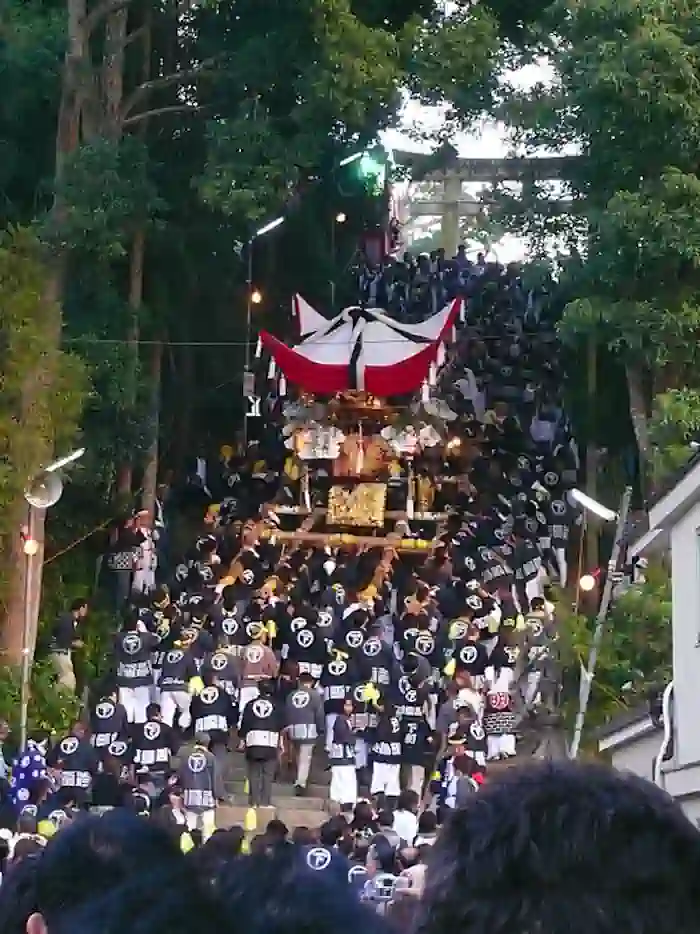
To truly understand matsuri, we need to step back in time. One of the oldest and most famous is the Gion Festival in Kyoto. It traces its origins to 869 C.E. Back then, it was a solemn ritual to ward off plagues. Today, it’s a month-long spectacle that draws visitors from around the world.
As Japan’s society changed, so did its festivals. The Edo period (1603-1868) saw a significant shift. Matsuri began to incorporate more entertainment elements. Parades, dances, and theatrical performances became common. This reflected the growing influence of the merchant class and increasing urbanization.
The Cultural Tapestry of Matsuri
Matsuri are woven into the very fabric of Japanese society. They serve multiple vital functions:
- Spiritual Connection: Matsuri provide a way for people to connect with the divine. They offer moments to express gratitude and reinforce spiritual beliefs.
- Community Bonding: These festivals bring people together. They foster a sense of belonging and shared identity. In our digital age, this face-to-face interaction is more valuable than ever.
- Cultural Preservation: Matsuri act as living museums. They help preserve and pass down traditions, from clothing and music to ancient rituals and crafts.
- Economic Impact: Many matsuri have become major tourist attractions. They boost local economies and support traditional artisans and performers.
- Seasonal Markers: Matsuri often mark the changing seasons. They help people stay connected to the natural world, even in urban settings.
The Anatomy of a Matsuri: A Feast for the Senses
While each matsuri is unique, many share common elements. These create the magical atmosphere that defines these festivals:
Preparation and Purification
Before the festivities begin, there’s serious preparation. Participants often engage in purification rituals. These might include abstinence or ritual bathing. The goal? To ensure they’re worthy of approaching the kami.
Invocation of the Kami
A key part of many matsuri is inviting the kami to join the celebration. This might involve a sacred object or a portable shrine called a mikoshi. The presence of the kami is believed to bless the festival and its participants.
Offerings and Prayers
Once the kami arrives, offerings are made. These can range from simple food and sake to elaborate artistic displays. Prayers are offered for the community and individuals.
Processions and Parades
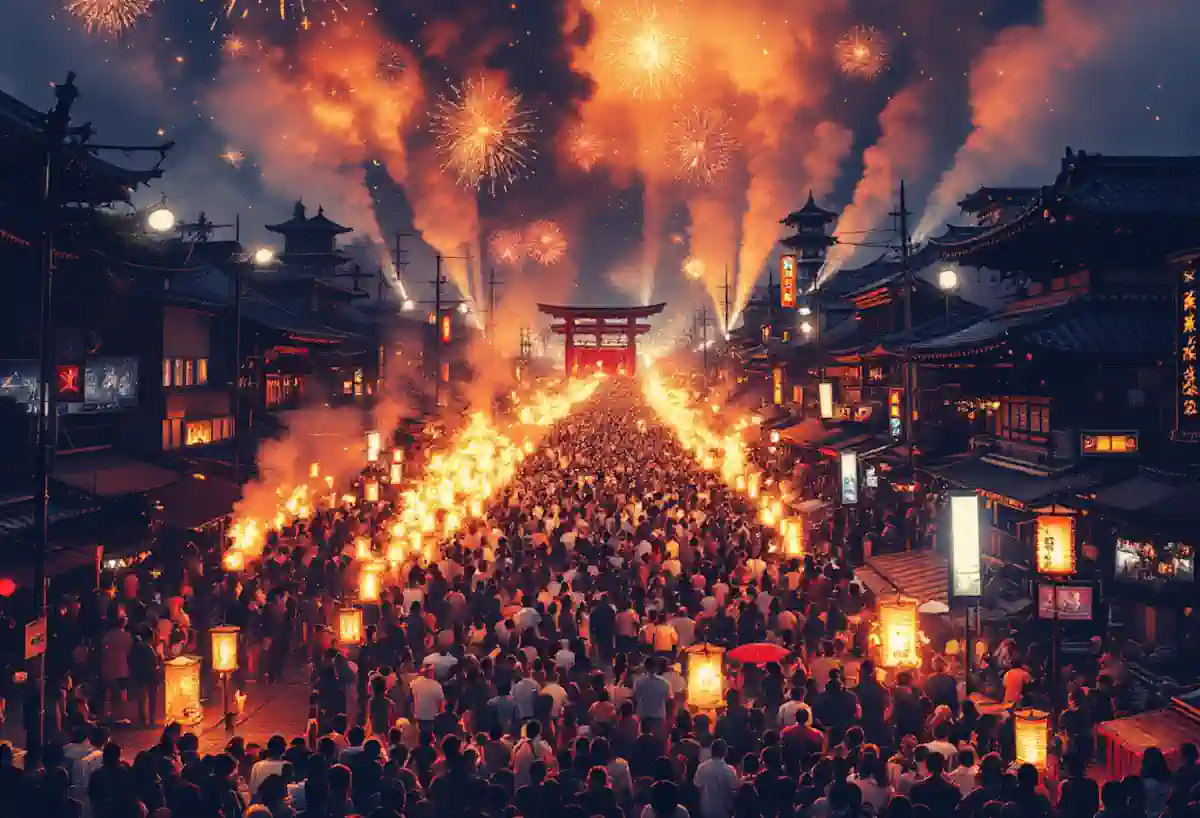
Many matsuri feature spectacular processions. The star is often the mikoshi, carried through the streets on participants’ shoulders. The energy is electric, with chants, music, and rhythmic movements creating an unforgettable spectacle.
Feasts and Festivities
No matsuri would be complete without food, drink, and entertainment. Festival grounds come alive with stalls selling traditional treats and games. Stages host performances of music, dance, and theater. These joyful elements are integral to the matsuri experience.
A Tapestry of Traditions: Popular Types of Matsuri
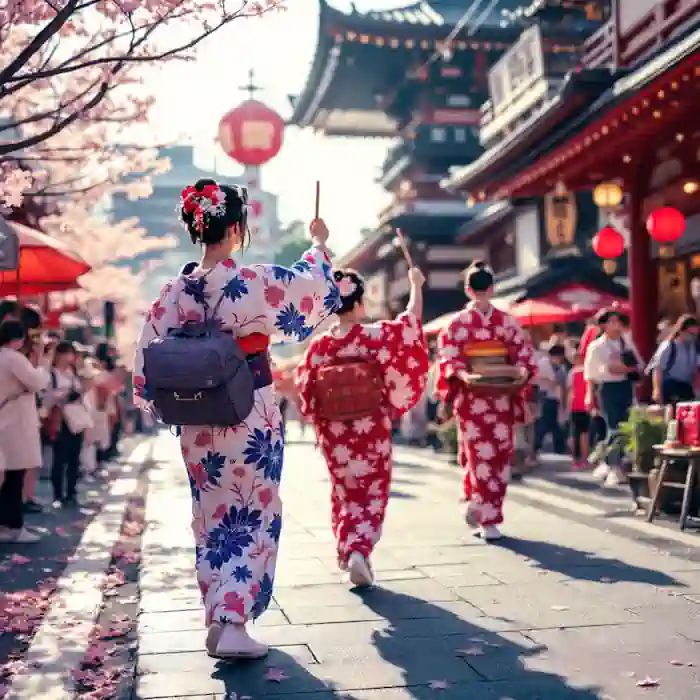
The diversity of matsuri in Japan is staggering. Each region and community often has its own unique celebrations. However, some types of matsuri have gained nationwide recognition:
Seasonal Festivals
Japan’s deep connection to nature shines through in its seasonal matsuri:
- Cherry Blossom Festivals (Hanami): These springtime celebrations honor the fleeting beauty of cherry blossoms.
- Summer Festivals: The warm months are packed with events. Obon honors ancestral spirits, while Tanabata celebrates a celestial love story.
- Autumn Harvest Festivals: Communities gather to give thanks for the year’s bounty. Expect displays of agricultural products and traditional performances.
- New Year Festivals: The turning of the year is marked by shrine and temple visits. Rituals focus on purification and welcoming good fortune.
Shrine and Temple Festivals
Some of Japan’s most spectacular matsuri center around specific religious sites. The Gion Matsuri in Kyoto is a prime example. Its month-long celebration culminates in a grand parade of floats.
Community and Cultural Festivals
Some matsuri focus on specific cultural elements:
- Firework Festivals (Hanabi): These summer spectacles light up the night sky with dazzling pyrotechnic displays.
- Tea Ceremonies (Chado): While not typical matsuri, these refined rituals embody similar principles of mindfulness and community.
- Doll Festivals (Hina Matsuri): Also known as Girls’ Day, this charming celebration features displays of ornate dolls.
Unique Regional Festivals
Japan’s diverse regions each boast their own distinctive matsuri:
- Nebuta Matsuri (Aomori Prefecture): Known for massive, illuminated floats depicting mythological figures.
- Awa Odori (Tokushima): One of Japan’s most famous dance festivals, filling streets with energetic performers.
- Sapporo Snow Festival (Hokkaido): A winter wonderland showcasing enormous, intricately carved snow and ice sculptures.
The Modern Face of Matsuri: Tradition Meets Innovation
While deeply rooted in tradition, matsuri continue to evolve. They adapt to the changing face of Japanese society while maintaining their core significance. Social media now plays a crucial role in sharing these celebrations with a global audience.
The international appeal of matsuri has led to adaptations beyond Japan’s borders. Communities worldwide now host their own versions of Japanese festivals. This spreads the joy and cultural richness of matsuri to new audiences.
Conclusion: The Enduring Magic of Matsuri
In our rapidly changing world, matsuri stand as vibrant reminders of what truly matters. They celebrate tradition, community, and spiritual connection. These festivals are the beating heart of Japanese culture. They pulse with the rhythms of history and the energy of contemporary life.
For visitors to Japan, experiencing a matsuri offers a unique cultural immersion. The sights, sounds, and flavors provide a sensory journey that goes beyond typical tourist attractions. Participants can feel, if only for a moment, the deep sense of community that has sustained Japanese society for millennia.
As we look to the future, it’s clear that matsuri will continue to play a vital role. They serve as anchors of identity, bridges between generations, and joyous expressions of humanity. In the dance of the mikoshi, the glow of lanterns, and the shared smiles of festival-goers, we see the enduring spirit of Japan—a spirit that continues to inspire and captivate people around the globe.
Whether you’re planning a trip to Japan or simply seeking to understand more about this fascinating culture, exploring the world of matsuri offers a rich and rewarding journey. It reminds us of the power of celebration to unite, inspire, and connect us to something greater than ourselves—a timeless truth that resonates far beyond the shores of Japan.