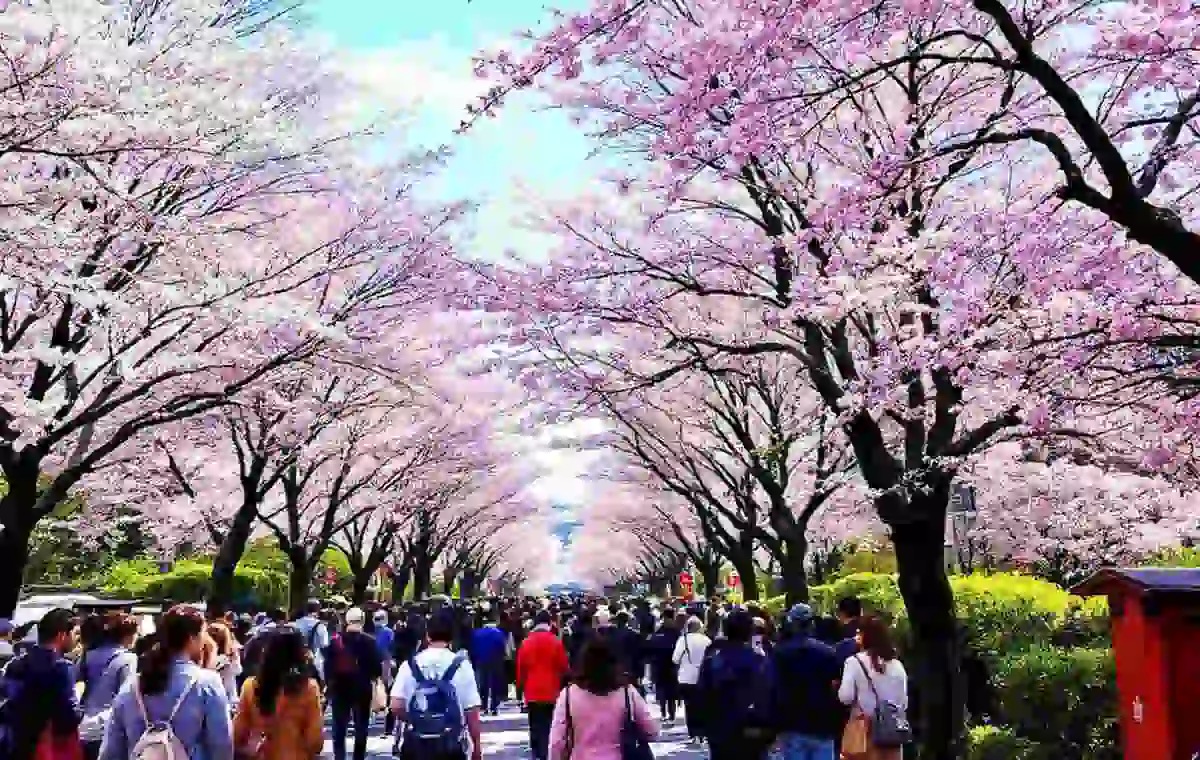
Japan’s culinary landscape is a vibrant tapestry of flavors, textures, and traditions, with street food playing a starring role in this gastronomic adventure. From sizzling yakitori to crispy takoyaki, the streets of Japan offer a tantalizing array of dishes that not only satisfy hunger but also provide a window into the country’s rich cultural heritage. In this article, we’ll explore the eight best Japanese street foods, delving into their history, preparation methods, and where to find the most mouthwatering examples across the Land of the Rising Sun.
1. Yakitori: Skewered Perfection
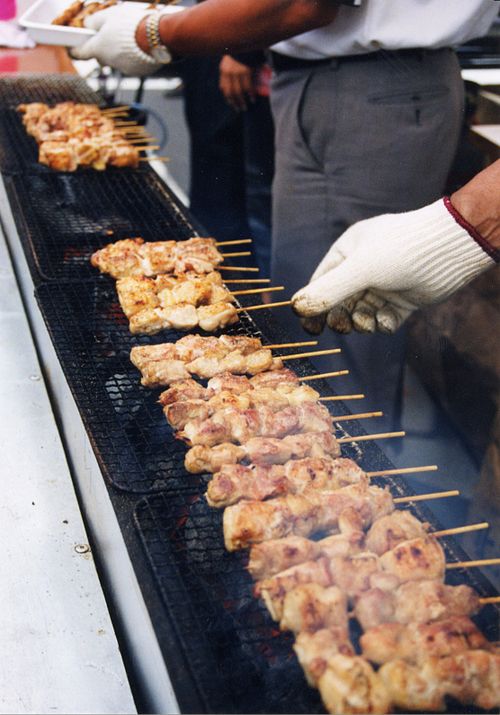
Yakitori, literally meaning “grilled chicken,” is a quintessential Japanese street food that has been captivating taste buds since the Edo period. These succulent skewers of chicken are more than just a quick bite; they’re a testament to the Japanese culinary philosophy of simplicity and quality.
History and Cultural Significance
The popularity of yakitori soared in the post-war era when chicken became more affordable for the average Japanese citizen. Today, it’s not just a street food staple but also a beloved izakaya (Japanese pub) dish, enjoyed by salarymen and tourists alike.
Ingredients and Preparation
Yakitori primarily uses chicken, but don’t be surprised to find other meats and vegetables on the menu. Common parts include:
- Momo (chicken thigh)
- Negima (chicken and green onion)
- Tsukune (chicken meatballs)
- Kawa (chicken skin)
The preparation of yakitori is an art form in itself. Skilled chefs carefully thread the bite-sized pieces onto bamboo skewers before grilling them over binchotan, a type of white charcoal that imparts a distinct smoky flavor. The skewers are then seasoned with either shio (salt) or tare (a sweet soy-based sauce), catering to different palate preferences.
Where to Find the Best Yakitori
For an authentic yakitori experience, head to Memory Lane (Omoide Yokocho) in Tokyo’s Shinjuku district. This narrow alley, also known as Piss Alley (don’t let the name deter you!), is lined with tiny yakitori stalls that have been serving up grilled delights for decades.
2. Takoyaki: Octopus Balls of Delight
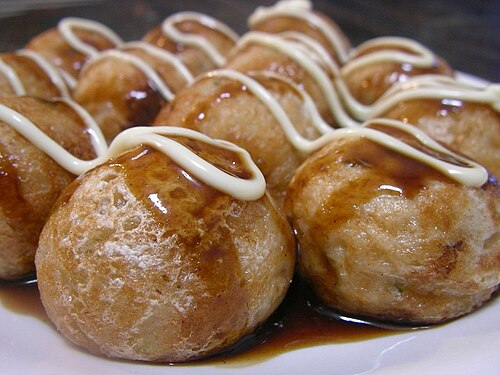
Takoyaki, those golden, crispy spheres filled with tender octopus, are a true icon of Japanese street food. Originating in Osaka in the 1930s, these savory balls have rolled their way into the hearts of food lovers worldwide.
A Bite of History
The invention of takoyaki is credited to Tomekichi Endo, a street vendor who drew inspiration from akashiyaki, a similar dumpling from the city of Akashi. Endo’s creation quickly became a sensation, spreading from Osaka to the rest of Japan and beyond.
The Art of Takoyaki Making
The preparation of takoyaki is a mesmerizing spectacle. The main ingredients include:
- Diced octopus
- Tempura scraps (tenkasu)
- Pickled ginger
- Green onion
- A batter made from flour, eggs, and dashi
Skilled vendors pour the batter into special molded pans, add the ingredients, and then deftly turn the balls with a pick to ensure even cooking. The result is a perfectly round ball with a crispy exterior and a gooey, flavorful center.
Toppings and Variations
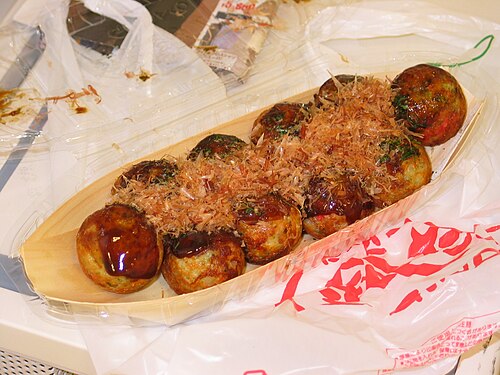
Takoyaki is typically served with a drizzle of takoyaki sauce (similar to Worcestershire sauce), mayonnaise, and a sprinkle of bonito flakes and aonori (dried seaweed). Some vendors offer unique variations, such as cheese-filled or vegetarian options.
Where to Savor the Best Takoyaki
For the ultimate takoyaki experience, make your way to Osaka’s Dotonbori district. This lively area is home to numerous takoyaki stands, including the famous Kukuru, known for its crispy exterior and generous fillings.
3. Okonomiyaki: The Savory Pancake

Okonomiyaki, often described as a savory pancake or “Japanese pizza,” is a versatile dish that embodies the concept of “cook it how you like it” – which is exactly what its name means.
Historical Roots
This hearty dish gained popularity during the post-war period when food scarcity led people to create meals using whatever ingredients were available. Today, okonomiyaki is a beloved comfort food with distinct regional variations, particularly in Osaka and Hiroshima.
Ingredients and Regional Styles
The basic ingredients for okonomiyaki include:
- Flour
- Grated yam
- Water
- Eggs
- Shredded cabbage
Additional ingredients can include pork belly, seafood, cheese, and various vegetables. The Osaka-style okonomiyaki mixes all ingredients together before cooking, while the Hiroshima-style layers the ingredients, including noodles, for a more complex dish.
Cooking Process
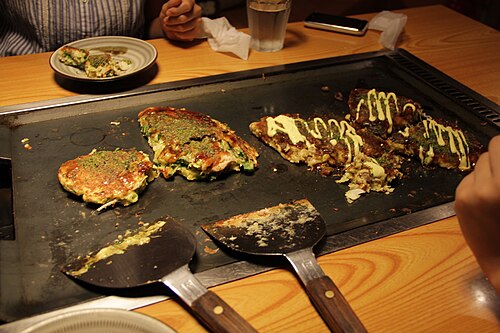
Okonomiyaki is typically cooked on a hot plate, either by the chef or by the diners themselves at teppanyaki-style restaurants. Once cooked, it’s topped with okonomiyaki sauce, mayonnaise, dried seaweed, and bonito flakes, creating a symphony of flavors and textures.
Best Places to Try Okonomiyaki
For an authentic Osaka-style okonomiyaki, visit Mizuno in Osaka’s Dotonbori area. If you’re in Hiroshima, head to Okonomimura, a building dedicated entirely to okonomiyaki restaurants, each with its own unique take on this beloved dish.
4. Taiyaki: Sweet Fish-Shaped Treats
Taiyaki, the charming fish-shaped cakes filled with sweet red bean paste, are a delightful treat that combines whimsy with tradition. These golden-brown confections have been a staple of Japanese street food since the early 20th century.
The Tale of Taiyaki
Taiyaki originated in Tokyo as a variation of imagawayaki, a round cake with similar fillings. The fish shape, typically that of a tai (sea bream), was chosen because the tai was considered a symbol of good fortune in Japanese culture.
Ingredients and Preparation
The outer shell of taiyaki is made from a batter similar to pancake or waffle batter. The traditional filling is sweet red bean paste (anko), but modern variations include:
- Custard cream
- Chocolate
- Cheese
- Sweet potato
The batter is poured into a fish-shaped mold, filled with the chosen ingredient, and then cooked until golden brown and crispy on the outside.
A Cultural Icon
Taiyaki has become more than just a snack; it’s a cultural icon that appears in anime, manga, and even as a popular emoji. Its cute appearance and satisfying taste make it a favorite among both children and adults.
Where to Find the Best Taiyaki
For a taste of traditional taiyaki, visit Naniwaya Sohonten in Tokyo’s Azabu-Juban district. This shop has been serving taiyaki since 1909 and is credited with creating the fish-shaped mold.
5. Ramen: The Noodle Phenomenon
While ramen might not be the first food that comes to mind when thinking of street food, its origins as a quick, affordable meal for workers make it an integral part of Japan’s street food culture.
A Brief History
Ramen was introduced to Japan by Chinese immigrants in the late 19th or early 20th century. It has since evolved into a national dish with countless regional variations, each boasting its own unique flavors and ingredients.
The Anatomy of Ramen
A typical bowl of ramen consists of:
- Chinese-style wheat noodles
- A rich, flavorful broth (usually meat or fish-based)
- Toppings such as chashu (sliced pork), nori (seaweed), menma (fermented bamboo shoots), and green onions
The broth is the heart of ramen, often simmered for hours to develop its complex flavors. Common broth types include:
- Shoyu (soy sauce-based)
- Miso (fermented soybean paste-based)
- Tonkotsu (pork bone-based)
- Shio (salt-based)
Regional Variations
Each region in Japan has its own signature ramen style. For example:
- Hokkaido is famous for its miso ramen
- Fukuoka is known for its rich tonkotsu ramen
- Tokyo offers a diverse range of styles, including the popular shoyu ramen
Where to Slurp the Best Ramen
For an unforgettable ramen experience, visit Ramen Street in Tokyo Station’s underground shopping area. This collection of eight renowned ramen shops offers a variety of styles all in one convenient location.
6. Yaki Imo: Roasted Sweet Potatoes
While not as flashy as some other street foods, yaki imo (roasted sweet potatoes) hold a special place in the hearts of many Japanese people. These simple, wholesome treats are a nostalgic reminder of cooler seasons and simpler times.
A Tradition Rooted in Simplicity
Yaki imo vendors have been a common sight on Japanese streets for generations. Traditionally, these sweet potatoes were roasted in small stone ovens mounted on carts, with vendors announcing their presence through distinctive calls or songs.
Preparation and Taste
The preparation of yaki imo is remarkably simple:
- High-quality sweet potatoes are selected, usually of the satsumaimo variety.
- The potatoes are washed and placed in a special oven or roaster.
- They are slow-roasted for about an hour, allowing the natural sugars to caramelize.
The result is a sweet potato with a crispy skin and a soft, fluffy interior that’s naturally sweet and incredibly satisfying.
Cultural Significance
Yaki imo are more than just a snack; they’re a cultural touchstone that evokes memories of childhood and autumn evenings. The call of the yaki imo vendor is a sound that many Japanese people associate with the changing seasons.
Where to Find Yaki Imo
While traditional yaki imo carts are becoming less common, you can still find these treats at festivals, markets, and some street corners, especially during the cooler months. In Tokyo, keep an eye out for yaki imo trucks in residential areas or try the gourmet yaki imo at Fuji Nishiki in Ginza.
7. Dango: Chewy Rice Dumplings
Dango, those chewy skewered rice dumplings, are a sweet treat that has been part of Japanese cuisine for centuries. These colorful, bite-sized morsels are not only delicious but also deeply rooted in Japanese culture and tradition.
A Sweet History
Dango has its origins in ancient Japan, where it was often used as an offering in religious ceremonies. Over time, it evolved into a popular snack enjoyed by people of all ages, especially during festivals and cherry blossom viewing parties.
Varieties and Preparation
There are many types of dango, but some of the most popular include:
- Mitarashi dango: Covered in a sweet soy sauce glaze
- Hanami dango: Three-colored dango associated with cherry blossom viewing
- Goma dango: Coated with sweet sesame paste
The basic dango is made from rice flour (mochiko) mixed with water and formed into small balls. These are then boiled and sometimes grilled before being skewered and coated with various toppings or sauces.
Cultural Significance
Dango is deeply intertwined with Japanese culture, appearing in literature, art, and even emoji. It’s often associated with traditional tea ceremonies and is a common sight at festivals and shrines.
Where to Enjoy Dango
For a traditional dango experience, visit Nakatanidou in Nara, famous for their freshly made yomogi (mugwort) dango. In Tokyo, try the variety of dango at Shibamata Haikara Yokocho, a street lined with traditional sweet shops.
8. Kakigōri: Shaved Ice Delight
When the summer heat hits Japan, there’s no better street food to cool down with than kakigōri, a refreshing shaved ice dessert that’s been enjoyed for centuries.
Cool History
Kakigōri dates back to the Heian period (794-1185), when it was a luxury reserved for the nobility. It became more widely available in the late 19th century with the advent of ice-making technology.
The Art of Kakigōri
Modern kakigōri is made by shaving a block of ice into fine, fluffy flakes and topping it with flavored syrups and various garnishes. Common flavors include:
- Strawberry
- Matcha (green tea)
- Blue Hawaii (a tropical blend)
- Melon
Many shops also offer toppings like condensed milk, mochi, or fresh fruit to enhance the experience.
Not Just a Summer Treat
While kakigōri is most popular during the hot summer months, many shops now offer it year-round, sometimes with seasonal flavors like chestnut or pumpkin in the fall.
Where to Find the Best Kakigōri
For a gourmet kakigōri experience, visit Himitsudo in Tokyo’s Yanaka district, known for their natural syrups and unique flavor combinations. In Kyoto, try the historic Gion Kinana, which offers kakigōri made with high-quality green tea.
Conclusion: A Culinary Journey Through Japan’s Streets
Japanese street food is more than just a quick bite; it’s a window into the country’s rich culinary heritage and cultural traditions. From the savory skewers of yakitori to the sweet, icy mountains of kakigōri, each dish tells a story of regional flavors, historical influences, and the innovative spirit of Japanese cuisine.
As you explore the vibrant streets of Japan, from the bustling markets of Tokyo to the historic alleyways of Kyoto, let your taste buds guide you through this gastronomic adventure. Each bite of takoyaki, every slurp of ramen, and every sweet morsel of dango offers not just sustenance, but a deeper connection to the heart and soul of Japan.
Remember, while these street foods are undeniably delicious, they are often indulgent treats rather than everyday meals. The rich flavors and sometimes high calorie content make them special occasion foods for many Japanese people. But when enjoyed as part of a balanced diet and active lifestyle, these street food delights offer an unparalleled taste of Japan’s culinary culture.
So the next time you find yourself in Japan, step out onto the streets, follow the enticing aromas, and immerse yourself in the world of Japanese street food. Your culinary journey awaits, one delicious bite at a time.