The Hunger Games Simulator is a fascinating online tool that allows users to simulate the brutal and unpredictable events of Suzanne Collins’ The Hunger Games series. This fan-created platform has gained immense popularity for its ability to generate random, fictional scenarios where characters compete for survival in a virtual arena. Whether you’re a fan of the books, movies, or simply enjoy creative simulations, the Hunger Games Simulator offers a unique way to engage with the franchise’s themes of strategy, survival, and unpredictability.
At its core, the simulator is a storytelling engine. It takes a roster of characters—either pre-set or custom-made—and places them in a series of randomized events. These events mimic the structure of the Hunger Games, from the initial “Reaping” to the climactic final showdown. Players can watch as alliances form, betrayals unfold, and tributes meet their untimely ends. The outcomes are entirely random, making each simulation a unique experience. This unpredictability is part of what makes the Hunger Games Simulator so engaging.
The tool is not just for fans of the franchise. It has become a creative outlet for communities across the internet. Users can input their own characters, create custom events, and even adjust the level of violence or randomness in the simulation. This flexibility has made it a favorite among content creators, who use it to craft humorous, dramatic, or even absurd narratives. But how does it work, and what makes it so appealing? Let’s explore the mechanics, customization options, and cultural impact of the Hunger Games Simulator.
How the Hunger Games Simulator Works
The Hunger Games Simulator operates on a simple yet effective premise: randomization. The platform uses algorithms to generate events and outcomes based on the characters and settings provided by the user. Here’s a breakdown of the key stages in a typical simulation:
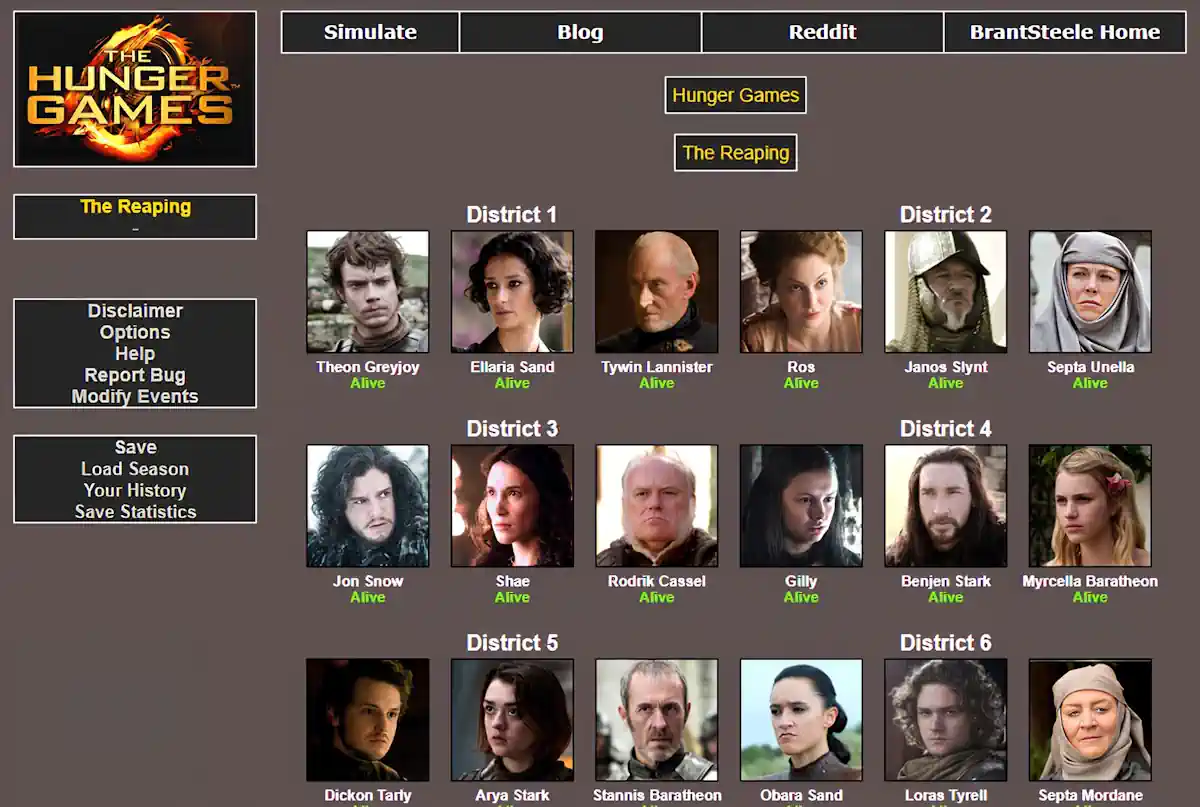
- The Reaping: Just like in the original Hunger Games, the simulation begins with the selection of tributes. Users can either use default characters from the books or movies or input their own custom roster. Each tribute is assigned to one of the 12 districts.
- The Bloodbath: The simulation kicks off with a chaotic opening scene where tributes scramble for resources at the Cornucopia. This phase often results in the first wave of eliminations, setting the tone for the rest of the game.
- Day and Night Cycles: The game alternates between day and night phases, with events occurring in each. These events range from combat encounters to environmental challenges, such as poisonous gas or wild animal attacks.
- Alliances and Betrayals: Tributes can form temporary alliances, but these are often short-lived. The simulator captures the cutthroat nature of the Hunger Games, where trust is a scarce commodity.
- The Finale: The game concludes when only one tribute remains. The simulator crowns this character as the victor, often accompanied by a dramatic recap of their journey.
Each simulation is accompanied by a text-based narrative that describes the events in detail. This storytelling element is one of the simulator’s most compelling features, as it allows users to immerse themselves in the unfolding drama.
Customization Options
One of the standout features of the Hunger Games Simulator is its high level of customization. Users can tailor the experience to suit their preferences, making it a versatile tool for creative expression. Here are some of the customization options available:
- Custom Characters: Users can input their own characters, complete with names and images. This feature is particularly popular among fan communities, who use it to pit characters from different franchises against each other.
- Custom Events: Advanced users can create their own events, adding a personal touch to the simulation. For example, you could introduce a scenario where tributes must solve puzzles to survive or face a sudden natural disaster.
- Adjustable Settings: The simulator allows users to tweak various parameters, such as the level of violence, randomness, and the frequency of certain events. This flexibility ensures that the simulation can cater to a wide range of audiences, from those seeking lighthearted fun to those looking for a more intense experience.
- Script Editing: Some versions of the simulator, such as the one developed by Totally Fungal, offer advanced scripting tools. These tools enable users to create entirely custom narratives, complete with unique dialogue and outcomes.
These customization options have made the Hunger Games Simulator a favorite among creative communities. Writers, streamers, and even educators have found innovative ways to use the tool, from crafting fanfiction to teaching lessons about probability and decision-making.
Cultural Impact and Popularity
The Hunger Games Simulator has transcended its origins as a fan-made tool to become a cultural phenomenon. Its appeal lies in its versatility and accessibility. Here are some of the ways it has made an impact:
- Fan Communities: The simulator has become a staple in online fan communities, particularly on platforms like Reddit and Discord. Users often share their simulations, complete with screenshots and commentary, creating a shared experience that fosters engagement and creativity.
- Content Creation: Many YouTubers and streamers use the simulator as a basis for their content. By inputting characters from popular franchises or real-life figures, they create humorous or dramatic narratives that resonate with their audiences.
- Educational Use: While primarily a form of entertainment, the simulator has also found a niche in education. Teachers have used it to illustrate concepts like probability, decision-making, and the consequences of resource allocation.
- Memes and Humor: The random nature of the simulator often leads to absurd and unexpected outcomes, which are perfect fodder for memes. For example, a character known for their pacifism might emerge as a ruthless killer, adding an element of dark humor to the proceedings.
The simulator’s popularity shows no signs of waning. Its ability to adapt to different contexts and audiences ensures that it remains relevant, even as new trends emerge.
Ethical Considerations
While the Hunger Games Simulator is a fictional tool, it does raise some ethical questions. The premise of the Hunger Games—children fighting to the death for the entertainment of others—is inherently dark. Some critics argue that simulating such events, even in a fictional context, could desensitize users to violence.
However, proponents of the simulator point out that it is clearly labeled as a work of fiction. Most users approach it with a sense of humor or as a creative exercise, rather than as a glorification of violence. The ability to adjust the level of violence or focus on non-lethal events also provides a way to mitigate these concerns.
Ultimately, the ethical implications of the Hunger Games Simulator depend on how it is used. Like any tool, it can be a force for creativity and engagement or a source of controversy, depending on the intent of the user.
Conclusion
The Hunger Games Simulator is more than just a fan-made tool; it’s a platform for storytelling, creativity, and community engagement. Its random, unpredictable nature captures the essence of the Hunger Games, while its customization options allow users to make the experience their own. Whether you’re a fan of the franchise or simply enjoy creative simulations, the Hunger Games Simulator offers a unique and endlessly entertaining way to explore the themes of survival, strategy, and human nature.
From its mechanics to its cultural impact, the simulator has carved out a unique niche in the world of online entertainment. It’s a testament to the enduring appeal of The Hunger Games and the creativity of its fanbase. May the odds be ever in your favor!